
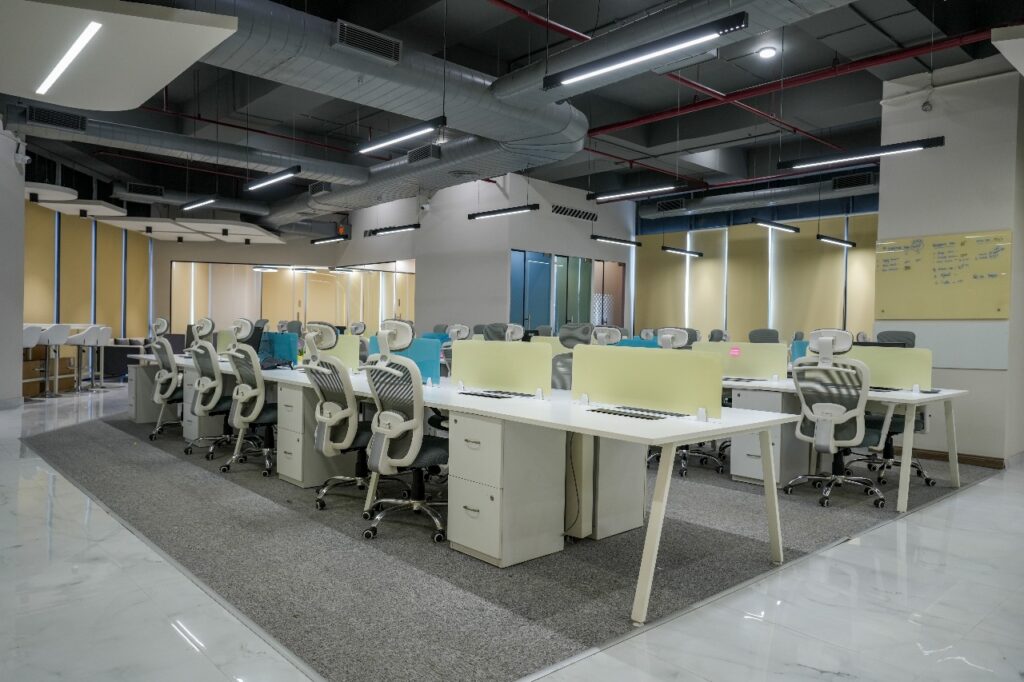
In today’s dynamic work environment, ergonomics in office interiors is not merely a design trend—it is a strategic necessity. Businesses aiming to enhance productivity, employee well-being, and operational efficiency must place ergonomic principles at the forefront of their workspace design. In this comprehensive guide, we explore why ergonomics matters and how integrating it into your office interiors can create a transformative impact.
Ergonomics is the science of designing the workplace, keeping in mind the capabilities and limitations of the worker. It involves arranging furniture, tools, and environments so that employees can perform their tasks efficiently and comfortably. In the context of office interiors, ergonomic design considers the physical interaction between people and their workspace, emphasizing posture, movement, accessibility, and comfort.
The Direct Link Between Ergonomics and Employee Productivity
A well-designed ergonomic office layout significantly enhances focus and output. When employees are comfortable, they are less likely to be distracted by pain or discomfort. This directly translates into better concentration, fewer errors, and higher work quality.
For example, ergonomically adjustable chairs with lumbar support allow individuals to maintain proper posture throughout the day, reducing strain on the spine and neck. Sit-stand desks encourage movement, preventing the physical fatigue associated with prolonged sitting. Proper screen height and keyboard placement minimize wrist and eye strain, boosting efficiency.
Ergonomic Design as a Catalyst for Employee Wellness
Employee health is deeply influenced by their physical environment. Poor ergonomics often results in musculoskeletal disorders, fatigue, and chronic pain. Conversely, ergonomic interiors reduce absenteeism, workplace injuries, and health-related compensation claims.
Incorporating natural light, promoting active sitting, and introducing breakout zones for relaxation can foster a healthier work culture. These elements also enhance mental well-being, combating stress and promoting satisfaction and retention.
Key Components of Ergonomic Office Interiors
Designing an ergonomic office goes beyond aesthetics—it’s about creating a workspace that enhances comfort, reduces strain, and boosts productivity. From adjustable furniture to proper lighting and thoughtful layout, here are the essential components that make an office truly ergonomic and employee-friendly.
1. Ergonomic Office Furniture
Investing in adjustable and supportive furniture is non-negotiable. Chairs with customizable height, depth, backrest, and armrests help accommodate different body types and tasks. Desks should allow enough legroom and surface area to support a neutral working position.
2. Monitor and Screen Positioning
The top of a monitor should be at or slightly below eye level, approximately 20–30 inches away from the user. Monitor arms or adjustable stands are essential for achieving optimal positioning. Dual monitor setups should be aligned based on primary screen usage.
3. Keyboard and Mouse Placement
Wrists should remain straight while typing or using a mouse. Keyboard trays or ergonomic keyboards, along with wrist rests, help in maintaining a neutral wrist posture, minimizing the risk of carpal tunnel syndrome.
4. Proper Lighting Design
Lighting ergonomics is often overlooked but crucial. Excessive glare or poor lighting leads to eye strain and headaches. Use of natural light, indirect lighting fixtures, and task lighting enhances visibility and mood.
5. Acoustic Comfort
Noise levels affect focus and well-being. Ergonomic interiors should include acoustic panels, carpets, and soft furnishings to absorb sound and reduce distractions. Quiet zones or pods can help employees perform deep work without interruption.
6. Flexible Layout and Space Planning
Ergonomically-designed offices offer flexibility. Movable desks, modular partitions, and open collaboration areas allow employees to adjust their work environment according to the task. This dynamic setup promotes movement and engagement.
Technology Integration in Ergonomic Design
Modern offices benefit immensely from smart technology. Height-adjustable desks with programmable settings, occupancy sensors, climate control systems, and voice-activated assistants streamline tasks and personalize workstations for individual comfort.
Moreover, wearable tech and apps can provide reminders to adjust posture, take breaks, or hydrate—adding a digital layer to physical ergonomics.
Ergonomics in Hybrid and Remote Workspaces
With hybrid work becoming standard, ergonomics must extend beyond the corporate office. Businesses should guide employees on setting up ergonomic home offices, offering allowances or support for ergonomic furniture, laptop stands, and quality lighting.
Creating consistent ergonomic standards across in-office and remote setups ensures a seamless and healthy work experience for all.
The Business ROI of Ergonomic Office Interiors
While ergonomic office investments may seem high initially, they pay off significantly in the long run. Reduced absenteeism, lower healthcare costs, and improved performance metrics contribute to measurable ROI.
According to research by the Occupational Safety and Health Administration (OSHA), every $1 spent on ergonomic improvements results in an average return of $3 to $5 due to increased productivity and reduced injury costs.
Future Trends in Ergonomic Office Interiors
The future of ergonomic interiors lies in personalization, sustainability, and adaptive technologies. Expect trends like:
- AI-powered desks that auto-adjust based on user profiles
- Eco-friendly ergonomic materials
- Neuroergonomics focusing on cognitive load and decision-making
- Wearable sensors for real-time posture correction
By staying ahead of these trends, companies not only future-proof their workplaces but also signal their commitment to employee-centric values.
Partnering with Professional Ergonomic Interior Designers
Implementing ergonomic design requires expertise. Partnering with specialized office interior designers ensures every aspect—lighting, layout, furniture, and workflow—is considered for maximum comfort and productivity.
Professional firms analyze your team’s specific needs, observe current habits, and customize solutions that align with business goals and brand identity.
Conclusion: Prioritize Ergonomics to Build a Smarter, Healthier Workplace
The value of ergonomics in office interiors cannot be overstated. It is a core element of successful workplaces that care about people, performance, and progress. By investing in ergonomic design, businesses not only foster happier, healthier employees but also gain a competitive edge in talent retention and operational output.