
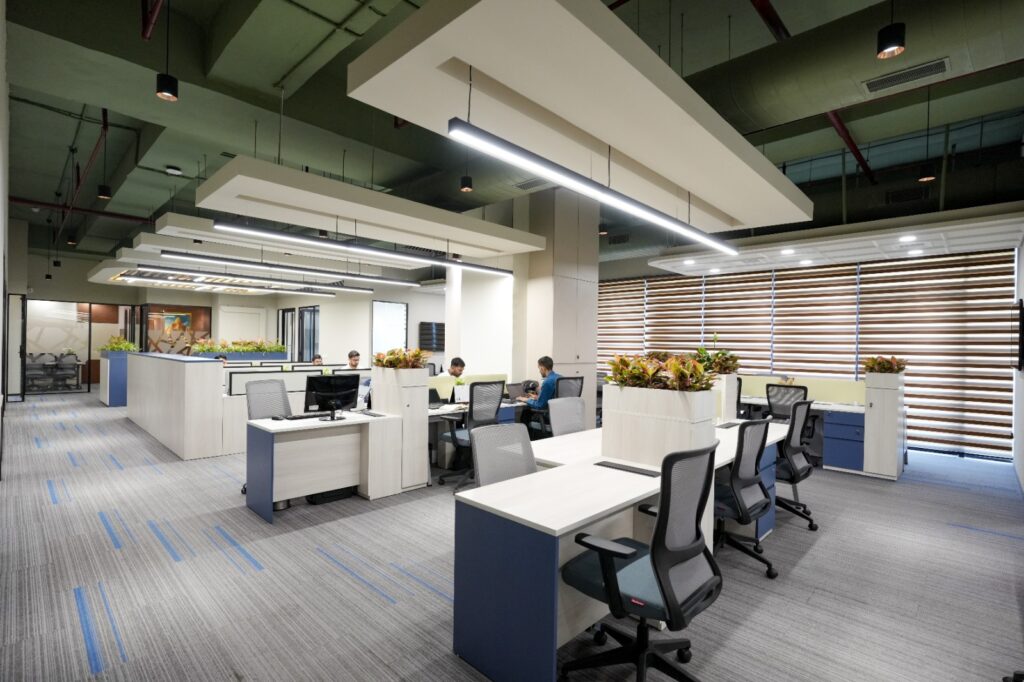
The workplace is rapidly evolving from a simple functional environment into a place where creativity, collaboration, and well-being must thrive together. Organizations today are realizing that the way an office looks, feels, and even smells can directly affect employee performance. Sensory design has emerged as one of the most effective strategies to ensure that workplaces are not only efficient but also enjoyable.
By intentionally engaging sight, sound, touch, smell, and taste, companies can create immersive experiences that inspire employees, reduce stress, and strengthen workplace culture. A sensory-rich office space demonstrates that productivity and human comfort can go hand in hand.
The Power of Sensory Engagement in Offices
When it comes to improving workplace performance, sensory design goes far beyond simple décor choices. It involves a holistic approach to shaping how people interact with their environment daily. Research shows that employees who work in spaces designed with their senses in mind are more motivated, healthier, and more creative. In open and collaborative office design, sensory features encourage people to connect better with their colleagues and stay engaged with their tasks.
For example, offices with calming visual cues, subtle background sounds, and comfortable furniture create a balance that prevents burnout while still encouraging productivity. This strategic blend of sensory elements ensures that offices are not only practical but also enriching.
Sight: Visual Design That Inspires Focus
Visual elements often set the tone for how employees perceive their workplace. Natural light streaming through large windows helps regulate circadian rhythms, keeping employees more alert during the day. Colors also play a psychological role: soft blues and greens promote calmness, while vibrant accents like yellows and oranges spark creativity and energy.
The use of indoor plants brings a touch of nature indoors, reducing stress while improving air quality. Even the layout plays a role; open spaces foster collaboration, while private cabins allow for deep concentration. Offices that invest in visual design create an atmosphere where people feel more focused, inspired, and valued.
Sound: The Role of Acoustics in Productivity
Sound has a significant impact on workplace performance. Excessive noise from conversations, phones, or machines can cause distractions and reduce concentration. By contrast, well-managed acoustics can create a calm, focused environment. Offices that use carpets, acoustic panels, and noise-canceling systems significantly reduce stress levels for employees. At the same time, intentional soundscapes, such as gentle instrumental music or the soft bubbling of indoor fountains, can boost mood and creativity.
Some modern offices even zone spaces with distinct soundscapes – quiet zones for focus, collaborative areas with livelier backgrounds – to meet the diverse needs of their teams. When sound is controlled effectively, it becomes a tool that strengthens productivity rather than a distraction.
Touch: Comfort Through Materials and Texture
The tactile experience of a workplace can often determine how welcoming and comfortable it feels. Materials such as polished wood, soft fabrics, or ergonomic surfaces can leave a lasting impression on employees and visitors alike. For example, plush seating in lounge areas makes relaxation breaks truly rejuvenating, while smooth desk surfaces paired with ergonomic chairs improve daily work comfort.
Textured walls, warm rugs, and varied finishes across different zones of the office keep the environment stimulating without being overwhelming. Employees who feel physically comfortable are more likely to stay focused, feel valued, and maintain a sense of belonging in their workplace.
Smell: Boosting Mood and Creativity
Scent is one of the most underrated aspects of office design, yet it can have a profound effect on mood and energy levels. A clean, fresh fragrance communicates professionalism and care, while subtle aromas like citrus or peppermint stimulate alertness and creativity. Lavender and chamomile, on the other hand, are known to create a calming environment that helps reduce stress during long workdays.
Some offices use diffusers or automated scent systems that adapt to different zones – energizing scents in meeting rooms to encourage brainstorming, and calming ones in private spaces to support focus. A workplace that smells good not only feels pleasant but also subconsciously motivates employees to perform better.
Taste: Nourishment and Refreshment at Work
Engaging the sense of taste in the workplace is often about providing small but meaningful touches that enhance employee well-being. Access to healthy snacks, fresh fruit, or hydration stations encourages employees to stay energized throughout the day. Some offices include coffee bars, juice stations, or cozy café-style corners that encourage social interaction and creativity during breaks.
These taste experiences create moments of refreshment, giving employees opportunities to recharge their minds before returning to tasks. Beyond physical nourishment, such spaces foster connection among colleagues, building a stronger workplace culture.
Why Sensory Design Matters More Than Ever
As hybrid and remote work become more common, offices must offer something beyond functionality to attract employees back to the workplace. Sensory design plays a central role in creating that pull – it transforms the office into a place where people feel motivated, comfortable, and inspired to perform at their best.
Companies that invest in sensory-rich environments report not only higher productivity but also greater employee loyalty and lower turnover. By addressing physical and emotional needs through sensory engagement, workplaces become more than just functional, they evolve into powerful spaces for innovation and collaboration.
Conclusion
Designing a workplace that actively engages the senses is no longer a luxury, it’s a necessity in today’s competitive business landscape. By thoughtfully integrating sight, sound, touch, smell, and taste, offices can create environments where employees feel energized and motivated every day. These design strategies reduce stress, boost creativity, and enhance collaboration, making the workplace more dynamic and supportive.
For businesses that want to bring this vision to life, collaborating with experienced office designers in Gurgaon ensures that the balance between aesthetics, comfort, and functionality is achieved seamlessly. Sensory design is not just a design trend, it is a long-term investment in people, performance, and organizational success.