
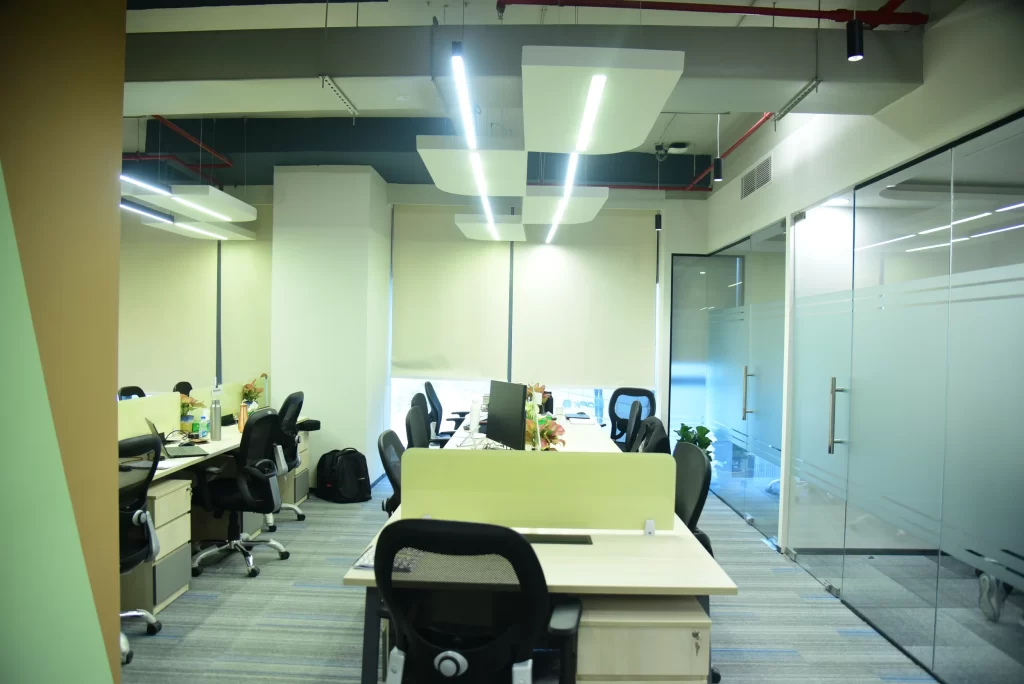
A well-designed office should support focus, collaboration, and employee well-being. However, many workplaces unintentionally create environments that drain energy, reduce efficiency, and increase frustration. Productivity issues are often blamed on workload, management, or motivation, but the physical workspace plays a much larger role than most businesses realize. When an office interior works against the people using it, even the most capable teams can struggle to perform at their best.
Understanding the signs that your office interior is hurting productivity is the first step toward creating a healthier, more effective work environment. These signs often appear gradually, making them easy to overlook until performance, morale, and retention begin to suffer.
1. Poor Lighting That Causes Fatigue and Strain
Office lighting has a direct impact on productivity, focus, energy levels, and overall comfort. Offices that rely heavily on harsh fluorescent lighting or insufficient natural light often contribute to eye strain, headaches, and mental fatigue. Employees working under poor lighting conditions may experience reduced concentration and increased errors, especially during long work hours.
Dark corners, uneven lighting, or excessive glare on screens can also create discomfort that employees may not openly complain about but still feel throughout the day. When people are constantly adjusting their posture or squinting at screens, their cognitive energy is diverted away from meaningful work. Over time, this leads to slower task completion and lower overall productivity.
2. Uncomfortable or Inflexible Furniture
Furniture is one of the most visible elements of an office interior, yet it is frequently chosen based on appearance or cost rather than ergonomics. Office Chairs without proper lumbar support, desks at incorrect heights, and rigid seating arrangements can cause physical discomfort that builds up over time.
Employees who are physically uncomfortable are more likely to take frequent breaks, shift positions constantly, or experience aches that reduce focus. Inflexible furniture layouts can also limit movement and collaboration, making it harder for teams to work efficiently. A workspace that does not adapt to different work styles can quickly become a productivity barrier.
3. Excessive Noise and Poor Acoustics
Noise is one of the most common complaints in modern offices, particularly in open-plan environments. Constant conversations, phone calls, equipment sounds, and external noise can make it difficult for employees to concentrate. Poor acoustics amplify these distractions, forcing people to work harder just to maintain focus.
When employees are repeatedly interrupted by noise, task-switching increases and deep work becomes nearly impossible. This not only slows productivity but also increases stress levels. Over time, noisy environments contribute to mental exhaustion and reduced job satisfaction, both of which directly impact performance.
4. Lack of Defined Work Zones
An office without clear zoning often creates confusion and inefficiency. When quiet tasks, collaborative discussions, and informal interactions all occur in the same space, none of them function optimally. Employees may feel uncomfortable holding discussions, while others struggle to focus amid constant movement and conversation.
The absence of defined zones can also lead to overcrowding in certain areas while others remain underused. This imbalance disrupts workflow and reduces the effectiveness of the available space. A productive office supports multiple work modes rather than forcing all activities into a single environment.
5. Cluttered Layouts and Visual Overload
Visual clutter is an underestimated productivity killer. Overcrowded desks, excessive decorations, exposed cables, and poorly organized storage create a sense of chaos that affects mental clarity. When the visual environment is overwhelming, the brain works harder to filter distractions, leaving less capacity for focused thinking.
Cluttered layouts also make it harder to move around the office efficiently. Narrow walkways, awkward furniture placement, and poorly planned circulation paths slow down daily tasks and create unnecessary friction. A disorganized space often reflects deeper issues in workflow planning and space utilization.
6. Inadequate Air Quality and Temperature Control
Comfort is not limited to what employees see and touch; it also includes what they breathe and feel. Poor ventilation, stale air, and inconsistent temperatures can significantly affect concentration and energy levels. Offices that are too cold or too warm force employees to focus on physical discomfort rather than their tasks.
Low air quality can cause drowsiness, headaches, and reduced cognitive performance. When employees feel physically unwell due to environmental conditions, productivity declines regardless of motivation or skill level. These issues are often subtle but have a cumulative negative effect on performance.
7. Limited Access to Natural Elements
Offices that feel closed off from nature can increase stress and mental fatigue. A lack of natural light, greenery, or visual connection to the outdoors creates environments that feel sterile and uninspiring. Humans naturally respond positively to natural elements, and their absence can reduce mood and engagement.
Workspaces that ignore this connection often feel emotionally draining over time. Employees may feel disconnected, less creative, and more fatigued, all of which directly impact productivity. Even small design choices can make a noticeable difference in how people feel throughout the workday.
8. Outdated Technology Integration
An office interior that does not support modern technology workflows can slow down even the most efficient teams. Poorly placed power outlets, limited connectivity options, and inadequate meeting room setups create friction in daily operations. When employees struggle with basic technical needs, frustration builds quickly.
Technology should feel seamlessly integrated into the workspace, not like an afterthought. An interior that fails to accommodate current tools and future needs becomes a productivity bottleneck rather than a support system.
9. Low Employee Engagement with the Space
One of the clearest signs that an office interior is hurting productivity is emotional disengagement. When employees avoid certain areas, personalize their spaces excessively to compensate, or prefer working remotely to escape the environment, it signals deeper design issues.
A productive office should feel supportive, intuitive, and energizing. When people feel disconnected from their workspace, motivation and collaboration suffer. Over time, this disengagement can lead to higher turnover and lower overall performance.
10. Lack of Personal Space and Privacy
When employees feel constantly watched or have no sense of personal space, productivity and confidence suffer. Offices that do not provide visual or acoustic privacy such as private corners, focus rooms, or quiet zones, can make employees feel exposed and stressed. This is especially problematic for tasks that require concentration, sensitive discussions, or creative thinking, where even minor distractions can break focus and reduce the quality of work.
Over time, the absence of privacy can also impact employee behavior and morale. People may avoid important phone calls, hesitate to share ideas openly, or limit collaboration out of fear of being overheard or interrupted. This creates a culture of caution rather than innovation. A workspace that balances openness with privacy empowers employees to work comfortably, think clearly, and engage more confidently, resulting in higher efficiency and stronger overall performance.
Why Addressing These Signs Matters
Ignoring interior-related productivity issues can be costly. Reduced efficiency, increased absenteeism, and lower employee satisfaction all impact business outcomes. The office is not just a physical location; it is a strategic tool that influences how people think, interact, and perform.
By recognizing these signs early, businesses can make informed improvements that enhance comfort, focus, and collaboration. A thoughtfully designed office does more than look good, it actively supports productivity, well-being, and long-term success.
An office interior designs should work for people, not against them. When the environment aligns with how employees actually work, productivity becomes a natural outcome rather than a constant struggle.