
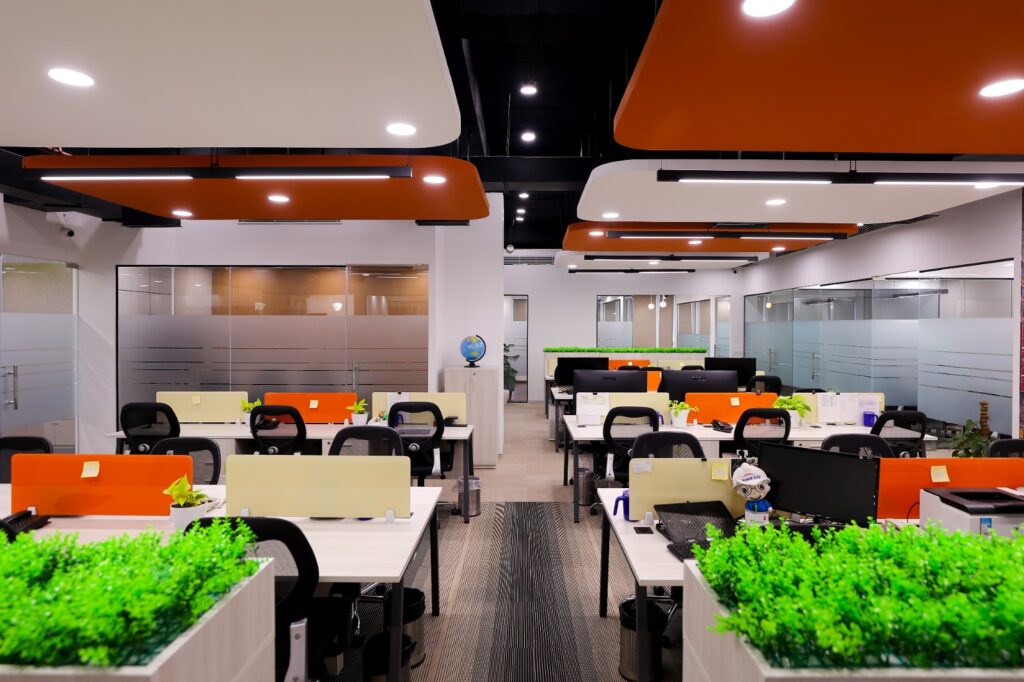
In today’s open and collaborative office environments, acoustic design has become a critical factor influencing productivity, employee satisfaction, and overall workplace efficiency. As companies continue to adopt flexible layouts and hybrid working models, managing sound within office spaces is no longer optional — it is essential. Uncontrolled noise can cause distractions, stress, and communication barriers. To address these issues, organizations are now incorporating innovative acoustic strategies into their office designs.
Emphasis on Sound-Absorbing Materials
One of the most significant trends in modern acoustic design is the integration of sound-absorbing materials throughout the office. From acoustic ceiling tiles and wall panels to soft furnishings like fabric-covered seating and rugs, materials that dampen noise are in high demand. These solutions help reduce echo, manage speech privacy, and create a more comfortable working environment.
Companies are experimenting with felt panels, acoustic foam, and even recycled materials that double as eco-friendly and sound-effective components. These materials are not only functional but also visually pleasing, available in a variety of colors, textures, and custom shapes that blend with the office’s aesthetic.
Acoustic Zoning for Activity-Based Workspaces
As activity-based working gains popularity, acoustic zoning is being used to support different workstyles. For instance, quiet zones or focus areas feature high levels of sound insulation, while collaborative zones are acoustically designed to allow for lively discussion without leaking noise into adjacent areas.
Acoustic zoning is accomplished using tools such as hanging panels, modular room dividers, and acoustic booths. These allow flexibility in office layout while maintaining optimal sound control, giving employees the choice of environments based on their task.
Use of Biophilic and Natural Elements
The introduction of biophilic elements—such as living green walls, indoor plants, and natural materials—adds not only to visual aesthetics but also to acoustic performance. Certain plants and organic materials help absorb sound, improving speech clarity and reducing background noise. Offices that prioritize wellness and sustainability are leaning into this dual-purpose design feature.
These natural acoustic buffers are being used in reception areas, breakout spaces, and even integrated into partition systems to separate departments acoustically without fully enclosing them.
Incorporation of Acoustic Ceilings and Flooring
Another key trend is the upgrade of ceilings and flooring systems to enhance sound performance. Offices are increasingly installing acoustic baffles and clouds in ceilings, which help diffuse sound evenly and reduce reverberation. Similarly, carpeting, cork floors, and rubber-based products are replacing hard floors that typically reflect sound and amplify noise levels.
Suspended acoustic panels and ceiling islands are also being adopted in large meeting rooms and open-plan offices to soften overall soundscapes and reduce distractions.
Private Acoustic Pods and Phone Booths
Modern offices are moving away from traditional conference rooms and incorporating soundproof pods and phone booths. These compact, modular spaces provide employees with an opportunity to conduct calls or video conferences without disturbing others. They are especially useful in open-plan layouts where privacy can be compromised.
These pods are typically designed with advanced soundproofing materials and ventilation systems to ensure comfort and functionality without compromising acoustic quality.
Smart Acoustic Technologies
Technology is also transforming how acoustic environments are managed. Offices are installing sound masking systems, which emit a soft ambient sound similar to airflow. These systems help drown out speech and other distracting noises, particularly in open areas or shared workspaces.
Some companies use smart sensors to monitor noise levels in real time, adjusting sound masking or issuing alerts when decibel thresholds are exceeded. These innovations enable dynamic management of acoustics, improving both productivity and user experience.
Custom Acoustic Branding Elements
Offices are beginning to incorporate custom acoustic design features that double as branding elements. For example, company logos or core values are embedded into acoustic wall art or decorative sound panels. This allows businesses to maintain their identity while also ensuring the space is functionally sound-sensitive.
Design firms now offer tailor-made solutions that merge acoustics with brand storytelling, making these installations both aesthetically impactful and acoustically functional.
Conclusion: Acoustic Comfort Is the New Standard
Modern office design is no longer just about visual appeal or spatial efficiency — it’s about creating a balanced, productive, and comfortable sound environment. Acoustic solutions are becoming integral to architecture and design planning, influencing everything from material selection to layout strategies. Businesses that embrace these trends position themselves to foster better communication, focus, and employee well-being. As the future of work continues to evolve, acoustic comfort will remain a central pillar in high-performance workplace design.