
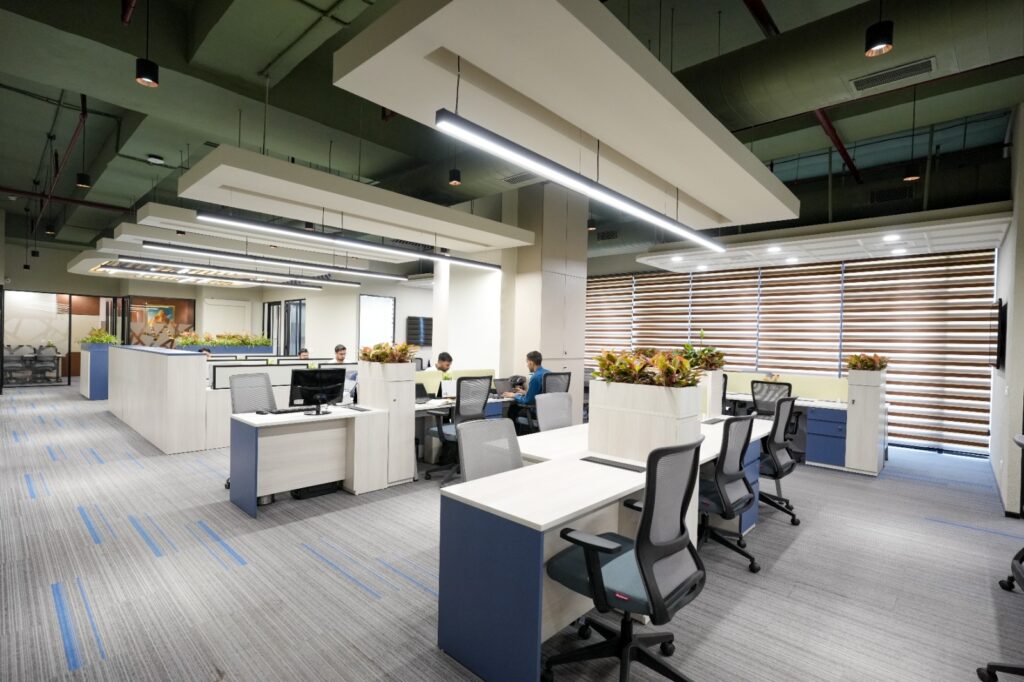
The design of an office space plays a powerful role in shaping first impressions. When clients walk into your workplace, the environment instantly communicates your company’s culture, values, and level of professionalism. A thoughtfully designed office does more than provide functionality, it also creates an inspiring setting that reflects innovation, trust, and success. This is why companies are investing in creative office interior designs to leave a lasting impression on visitors while also supporting employee productivity.
A well-planned office not only improves workflow but also showcases the brand’s unique personality. For businesses, especially those aiming to build strong relationships with clients, office design has become an extension of their identity. From modern layouts and stylish furniture to clever use of lighting and art, interior design elements contribute to a welcoming yet impactful atmosphere.
The Power of First Impressions Through Design
Clients often decide how they feel about a company within minutes of stepping into its office. A cluttered or outdated environment may suggest inefficiency or lack of attention to detail, while a sleek, creative workspace signals competence and forward-thinking. Reception areas are particularly critical because they set the tone for meetings. Incorporating modern furniture, warm lighting, greenery, and engaging visuals can immediately establish trust and positivity.
Moreover, functional creativity is key. Spaces that balance aesthetics with comfort and practicality create a lasting impression. For instance, open spaces with flexible seating arrangements not only impress clients but also highlight adaptability and collaboration.
Key Elements of Creative Office Interior Designs
To achieve the right balance of professionalism and innovation, businesses are adopting unique yet practical design solutions. Some of the key elements include:
- Use of Colors: Strategic use of colors influences moods. Calming neutrals, vibrant accents, or brand-inspired tones can reflect company identity while enhancing visual appeal.
- Lighting Design: Natural light creates an inviting atmosphere, while smart artificial lighting enhances focus and ambiance.
- Furniture Selection: Ergonomic and stylish furniture shows commitment to both aesthetics and employee comfort.
- Green Spaces: Indoor plants and biophilic designs create freshness, reduce stress, and enhance creativity.
- Technology Integration: Smart screens, digital boards, and seamless connectivity demonstrate modernity and innovation.
- Personalized Branding: Wall graphics, logos, or mission statements visually reinforce a company’s story and purpose.
By combining these aspects, businesses can create memorable experiences for their clients while aligning the office environment with their goals.
Designing Small Offices Creatively
Smaller workspaces often face limitations, but they can still deliver a strong impression with the right design strategy. Creative small office interior design focuses on maximizing space without compromising style. Compact yet multifunctional furniture, hidden storage solutions, and minimalistic layouts help in maintaining an organized and appealing setting.
Glass partitions, for example, create a sense of openness without sacrificing privacy. Light-colored walls paired with strategic lighting make small offices appear larger and more welcoming. Even with limited space, carefully chosen artwork, greenery, or statement pieces can convey creativity and sophistication.
The Role of Office Interior Design in Client Perception
Beyond aesthetics, office interior design has a psychological impact on clients. A well-designed space communicates that the company values quality, efficiency, and forward-thinking. For businesses in competitive industries, interiors can serve as a silent salesperson, reinforcing professionalism and reliability.
When a client sees an office that prioritizes comfort, collaboration, and innovation, it also reassures them that the company applies the same care and dedication to its work. This impression often translates into stronger business relationships and trust.
Creating a Lasting Impression
Ultimately, creative office design is about more than furniture and décor, it’s about creating an experience. When clients step into a workspace, they should feel welcomed, inspired, and confident about doing business with the company. Achieving this requires careful attention to details that combine practicality with visual appeal.
Companies should not hesitate to experiment with modern layouts, sustainable materials, and innovative design approaches. By blending comfort, creativity, and branding, businesses can transform offices into spaces that not only function effectively but also leave a memorable mark on every client who visits.
Conclusion
In 2025 and beyond, office design will continue to evolve as a strategic business tool. Creative office designs serve as a reflection of professionalism and innovation while also making clients feel valued and engaged. Whether it is a large corporate office or a creative small office interior design, thoughtful choices in layout, color, furniture, and branding can make all the difference. By investing in office interior design, companies create more than just a workspace—they craft an environment that tells their story, strengthens client relationships, and enhances their overall reputation.