
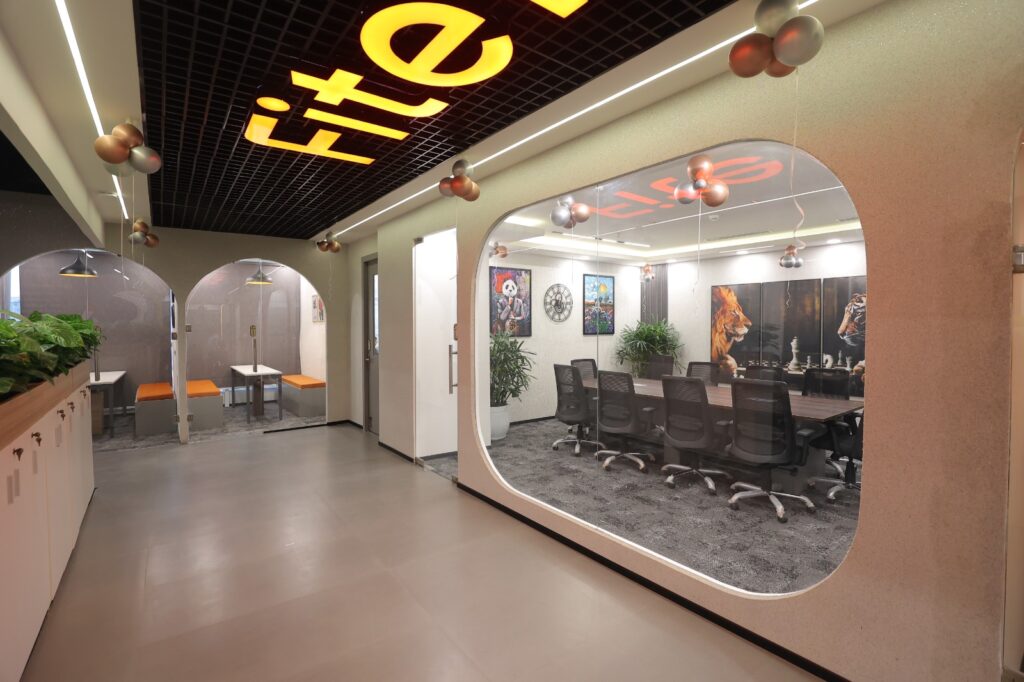
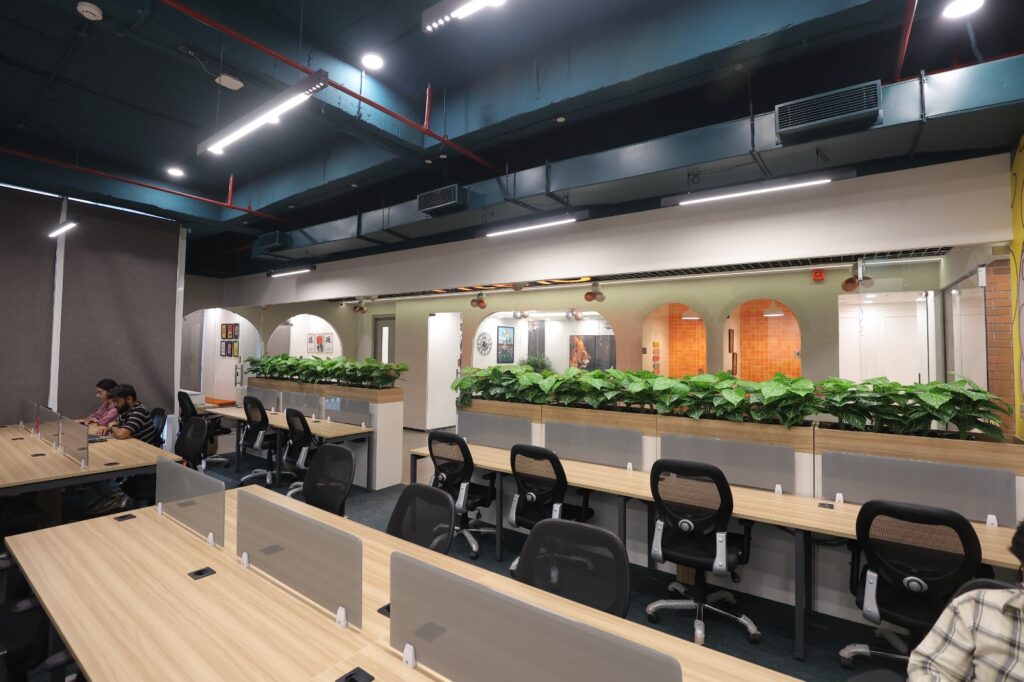
Corporate work environments have undergone a dramatic evolution in recent years. Businesses now recognise that their workspace is more than just an operational setting, it is a powerful reflection of who they are as a brand, how efficiently their teams function, and how positively clients perceive them. The design of a corporate office influences employee energy levels, productivity, collaboration, creativity, and overall well-being, shaping long-term organisational growth.
A well-designed corporate space carries the company’s personality, supports daily work functions, and ensures a harmonious flow between tasks. Interior designers study how employees move, interact, focus, and collaborate, using strategic planning, psychology, aesthetics, ergonomics, and technology to create environments that elevate performance and comfort.
With workplaces becoming more dynamic and experience-driven, organisations are now more conscious about creating inspiring, efficient, and future-ready environments. Many companies seek specialised expertise from professionals such as office designers in Gurgaon, who understand the modern need for balancing openness with privacy, productivity with relaxation, and structure with creativity. Their insight ensures every element of the workspace serves a purpose, enhances workflow, and supports a thriving corporate culture.
Understanding Organisational Needs Before Designing
The transformation of a corporate space always begins with understanding the organisation at its core. Interior designers analyse the company’s workflow, departmental relationships, employee behaviour, and long-term objectives. This ensures that the design aligns with real functions rather than assumptions.
Different companies operate differently, some need collaborative environments, others require silent focus zones, and many need a hybrid model. Designers evaluate these patterns carefully. They also understand how brand values should be embedded visually inside the workspace. Colours, materials, shapes, and layouts become tools to communicate culture, stability, innovation, or luxury.
Planning for the future is equally important. Designers create scalable layouts that can adapt to team expansions or changing work styles, ensuring the office remains relevant for years without major renovations. This forward-thinking approach strengthens the workplace as a long-term asset.
Transforming Layouts to Improve Functionality
One of the most impactful ways interior designers elevate corporate spaces is by redefining spatial layouts. They replace outdated, rigid structures with fluid and strategically organised zones. The goal is to create movement efficiency, reduce distractions, and increase comfort.
Under this transformation, designers often introduce key spatial improvements such as:
- Open areas that encourage teamwork and transparency
- Dedicated quiet zones for deep, focused work
- Lounge-style breakout corners for informal discussions
- Smooth traffic flow pathways that avoid congestion
Natural lighting is another central focus. Designers often reposition workstations or use glass elements to ensure sunlight reaches deeper into the office. Better lighting results in happier employees, improved energy levels, and more pleasant work environments. Ergonomic placement of furniture further enhances comfort and reduces physical strain.
Integrating Technology for a Smarter Workplace
Technology has become inseparable from modern corporate design. Interior designers integrate smart systems that elevate the workspace into an efficient, automated, and future-ready environment. These advancements are not limited to gadgets; they influence how people interact with the space on a daily basis.
Incorporating:
- Smart meeting systems
- Automated lighting and climate control
- High-quality audiovisual tools
- Intelligent cable systems
- Acoustic enhancements
creates seamless, distraction-free communication and a clean, organised appearance. This technological integration also supports hybrid work models, ensuring employees can collaborate effectively whether they are in the office or working remotely.
It is in these technological and operational refinements that industries often rely on experienced professionals like corporate interior designers in Gurgaon, known for combining modern tools with functional aesthetics.
Enhancing Aesthetics to Build Brand Personality
Aesthetics define the emotional tone of a workplace. Interior designers use a combination of visual elements, textures, materials, and colors to create spaces that reflect the organisation’s identity. A corporate office should feel aligned with the brand whether the company represents innovation, elegance, creativity, or professionalism.
Designers carefully select materials that are stylish yet durable, colours that influence mood positively, and décor elements that give character without overwhelming the senses. Branding elements like artwork, installations, or subtle colour accents reinforce the company’s message and values.
Lighting plays a major supporting role in aesthetics. Layered lighting ambient, accent, and task creates depth and harmony, bringing out the best in the office’s architectural and decorative features.
Creating an Environment That Supports Employee Well-being
Interior designers know that a workplace must nurture the physical and emotional well-being of employees. Every design decision from the layout to the furniture, from the textures to the lighting, affects comfort and motivation.
A well-designed corporate space supports well-being by ensuring natural light, ergonomic seating, proper ventilation, and calming visual elements. Designers also incorporate relaxation areas or quiet corners where employees can decompress. When people feel comfortable in their environment, they work better, enjoy their roles more, and form stronger connections with the organisation.
Breakout zones, wellness rooms, and creatively designed lounges add balance to the workday. These thoughtfully planned elements result in improved morale, reduced stress, and higher retention.
Sustainability as a Core Design Principle
Sustainability has become a non-negotiable requirement in modern corporate design. Designers incorporate eco-friendly materials, energy-saving technologies, and responsible construction practices to reduce environmental impact.
This includes using recyclable materials, low-VOC paints, eco-efficient lighting, and energy-conscious HVAC systems. Sustainable design not only benefits the environment but also enhances indoor air quality, reduces long-term operational costs, and reflects a company’s commitment to responsible practices.
Companies that prioritise sustainability also strengthen their brand image, showing employees and clients that they stand for responsible and future-focused values.