
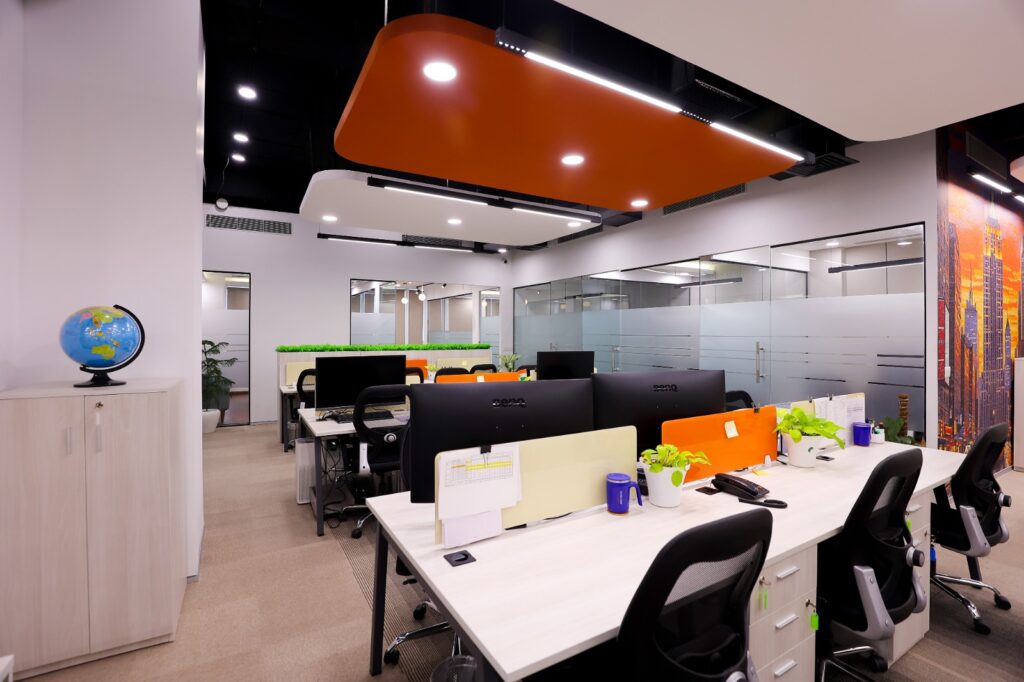
The modern workplace is no longer just a location where tasks are performed; it’s a space that actively shapes employee well-being, focus, creativity, and efficiency. A thoughtfully designed office can significantly elevate the mood of employees and amplify productivity, while poor design can lead to disengagement, fatigue, and high turnover. As organizations strive to create agile, high-performing teams, office design is proving to be a strategic tool, not just a stylistic choice.
Optimizing Natural Light to Enhance Energy and Focus
One of the most influential elements in office design is natural light. Exposure to sunlight not only boosts vitamin D levels but also regulates the circadian rhythm, improving sleep quality and daytime alertness. Employees who work in well-lit environments report better mood stability, reduced eye strain, and significantly higher engagement levels.
In contrast, dimly lit or artificially over-lit spaces often contribute to fatigue, stress, and reduced performance. Incorporating large windows, skylights, and even glass partitions helps offices make the most of daylight and fosters an open, energetic ambiance that encourages collaboration and productivity.
Color Psychology: Creating Emotional and Cognitive Balance
Color isn’t merely decorative—it’s psychologically influential. Cool tones like blue and green foster calmness and concentration, making them ideal for focused work areas. Meanwhile, yellow and orange can spark creativity and optimism in brainstorming zones or common areas.
However, excessive use of bright colors may be overwhelming. Balanced usage—combining neutral tones with purposeful accents—encourages both emotional well-being and mental clarity. A well-thought-out color palette can be the silent motivator that enhances the office experience for everyone.
Ergonomic Furniture Fuels Comfort and Efficiency
The physical comfort of employees is directly tied to the furniture they use. Ergonomic chairs, height-adjustable desks, and flexible workstations empower individuals to work longer without physical strain. A poorly designed chair or desk not only leads to discomfort but also contributes to chronic musculoskeletal issues, which can increase absenteeism.
Beyond health, ergonomic designs also signal to employees that their well-being is valued, promoting higher morale and loyalty. Spaces that integrate movement—such as standing desks or informal huddle zones—also encourage micro-movements, reducing the effects of sedentary behavior.
Acoustic Design: Reducing Distractions, Improving Focus
Noise pollution is one of the biggest productivity killers in modern open-plan offices. Effective acoustic treatments—such as sound-absorbing panels, noise-canceling partitions, and carpeted flooring—can dramatically reduce auditory distractions.
Creating quiet zones, meeting pods, and dedicated call booths helps foster deep focus. Equally, providing areas for casual conversations ensures social interaction doesn’t disturb those engaged in concentrated work. Smart acoustic design balances collaborative energy with quiet efficiency.
Biophilic Design Elements That Nurture Mental Health
Incorporating nature into office environments—known as biophilic design—has proven mental health benefits. Indoor plants, green walls, natural textures, and water features help reduce stress and enhance cognitive performance.
Employees exposed to natural elements in the workplace tend to report higher job satisfaction and reduced mental fatigue. Such elements introduce tranquility, improve air quality, and connect individuals to the outside world, which is especially valuable in urban settings.
Flexible Layouts Support Different Work Modes
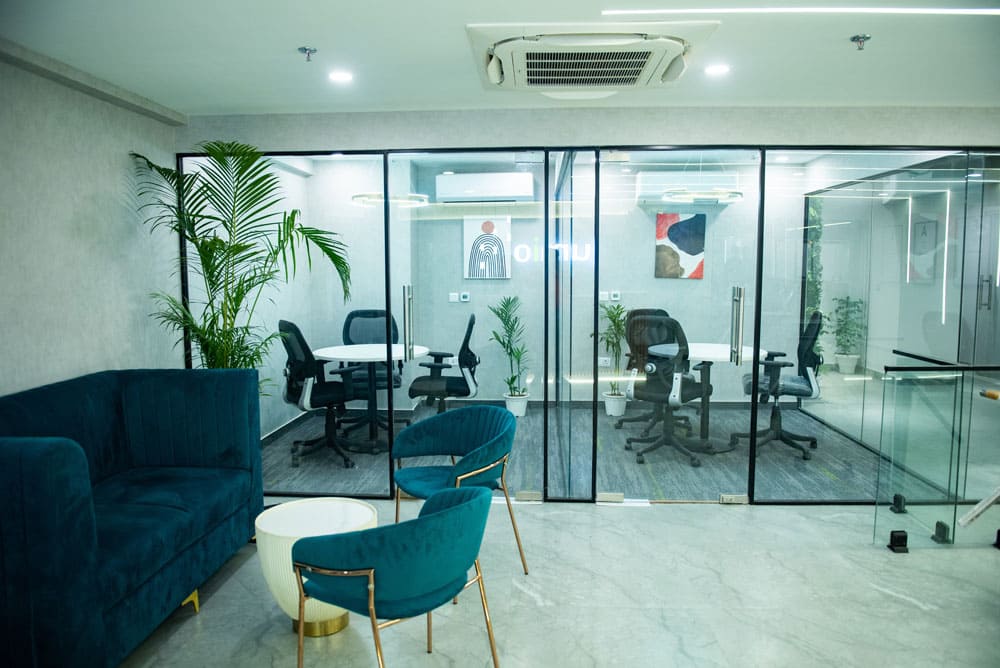
Today’s knowledge workers often switch between deep focus, collaboration, and informal discussions. A rigid layout hampers this flexibility. Offices that provide a mix of private zones, open collaborative areas, and informal lounges support varied work styles.
Hot-desking, breakout zones, and modular furniture create an adaptive environment where employees can choose where and how they work, leading to greater autonomy and satisfaction. Such flexibility fosters a culture of trust and responsibility, both of which are key to enhanced productivity.
Technology Integration Streamlines Operations
Modern office design seamlessly integrates technology to support mobility, communication, and efficiency. From wireless charging stations and touch-free access controls to collaboration tools like digital whiteboards and video conferencing setups, tech-savvy workspaces empower teams to work smarter.
Moreover, smart lighting and HVAC systems that adjust based on occupancy and time of day contribute to employee comfort while reducing operational costs. A workplace that embraces tech creates a forward-thinking culture, encouraging innovation across departments.
Breakout and Relaxation Areas Support Mental Rejuvenation
High-performing teams understand the importance of rest. Incorporating dedicated break areas, game zones, nap pods, or mindfulness corners supports mental recovery and reduces burnout.
Employees who take regular, high-quality breaks return to work refreshed and focused. These areas are not just perks—they are critical investments in productivity and emotional resilience. When employees feel encouraged to take mindful pauses, their output and satisfaction rise in parallel.
Brand-Infused Interiors Promote Organizational Identity
An often overlooked aspect of office design is its role in communicating brand identity. Logos, mission statements, company colors, and visual storytelling within the office remind employees of the organization’s purpose and culture.
This subtle reinforcement of identity helps cultivate a sense of belonging and pride. When people feel connected to the company’s values visually and experientially, they are more motivated, aligned, and engaged in their roles.
In Conclusion
Office design is far more than a visual concern—it is a strategic asset that influences behavior, engagement, and performance. From lighting and acoustics to layout and biophilic features, each element has the power to enhance or hinder how people feel and work. Forward-looking organizations understand this and are using design as a competitive advantage to attract talent, foster innovation, and drive growth.