
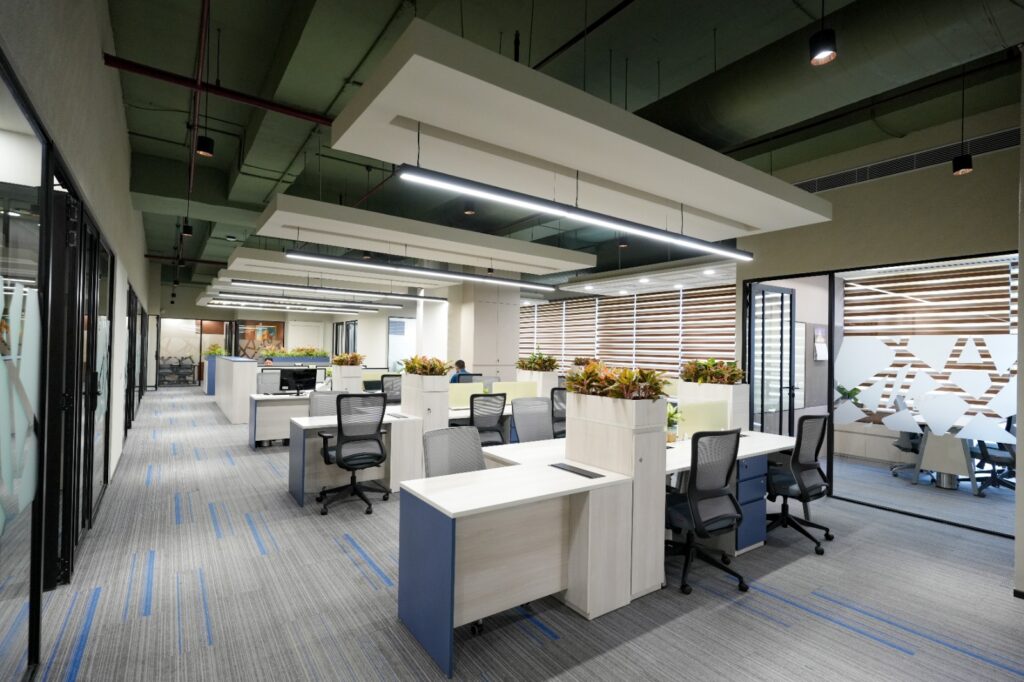
The modern workplace is evolving beyond functionality. Today’s offices are expected to be more than just spaces where work happens—they must inspire creativity, foster collaboration, and enhance overall well-being. This transformation has given rise to neuroaesthetic design, a cutting-edge approach that blends neuroscience, psychology, and design principles to create environments that not only look beautiful but also positively influence the way people think, feel, and perform.
Neuroaesthetics, a field of study that examines how the human brain perceives and responds to beauty, is being applied to workplace design with remarkable results. When implemented correctly, neuroaesthetic principles can make an office feel energizing without being overwhelming, focused without feeling sterile, and inviting without losing professional polish. The result is an environment that balances science with comfort, allowing employees to perform at their best.
The Science Behind Neuroaesthetic Design
The idea that our surroundings affect our mood and productivity is not new, but neuroaesthetic design takes it further by applying neuroscience research to specific design elements. Our brains process visual, auditory, and tactile stimuli in ways that directly impact our emotions, cognitive function, and stress levels.
For example, research shows that exposure to natural light increases serotonin production, improving mood and energy levels. Similarly, certain colors can stimulate focus, while others encourage relaxation. Texture, spatial arrangement, and even scent play significant roles in shaping our perception of a space. By aligning design choices with the brain’s natural responses, offices can be crafted to boost employee satisfaction, creativity, and efficiency.
Core Elements of Neuroaesthetic Office Design
Designing a neuroaesthetic workspace involves considering multiple sensory and psychological factors. These include:
- Lighting: Natural light is preferred whenever possible, as it helps regulate circadian rhythms and promotes alertness. Artificial lighting should be adjustable, allowing employees to adapt brightness to their tasks.
- Color Psychology: Cool tones like blue and green can promote focus, while warmer hues like yellow can spark creativity. Neutral palettes help reduce visual fatigue.
- Nature Integration (Biophilia): Plants, water features, and natural materials can lower stress and improve air quality.
- Acoustic Comfort: Soundproofing or soft materials can reduce noise distractions, while ambient soundscapes can enhance concentration.
- Ergonomics: Comfortable, adaptable furniture reduces physical strain and supports long-term health.
- Spatial Flow: Open layouts encourage collaboration, while private zones allow for focused work.
When these elements are thoughtfully combined, they create a space that not only functions efficiently but also feels intuitively “right” to the people working in it.
Benefits of Neuroaesthetic Design in the Workplace
Adopting a neuroaesthetic approach in the workplace offers far more than just visual appeal—it brings measurable advantages for both employees and employers. By designing spaces that align with cognitive needs, productivity can significantly improve, as employees experience reduced mental fatigue and greater focus. A well-designed environment also enhances overall well-being, helping to lower stress levels and create a sense of harmony.
The stimulating nature of such spaces boosts creativity, encouraging innovative thinking and problem-solving. Moreover, when companies invest in office design for employee comfort and mental health, they tend to enjoy higher retention rates, as workers feel valued and supported. Finally, a thoughtfully designed office not only benefits those who work within it but also leaves a lasting impression on clients, enhancing the organization’s brand image and showcasing a strong commitment to excellence.
How to Implement Neuroaesthetic Principles in Office Design
Integrating neuroaesthetic design into an office does not necessarily mean starting from scratch. Many existing spaces can be transformed with strategic adjustments. Some practical ways to begin include:
- Conducting employee surveys to understand current challenges and needs.
- Adding more natural elements, such as indoor plants or wood finishes.
- Reconfiguring seating arrangements to improve light exposure and collaboration.
- Upgrading to adjustable, ergonomic furniture.
- Introducing calming or stimulating colors in targeted zones based on their intended purpose.
- Incorporating art and décor that aligns with the company culture and inspires creativity.
The most effective implementations combine these adjustments with ongoing evaluation, ensuring the design continues to meet evolving workplace demands.
Balancing Science and Comfort for Long-Term Success
While the scientific basis of neuroaesthetic design is compelling, comfort is equally important. Overemphasizing aesthetics without considering practicality can result in spaces that look appealing but are difficult to use. For example, a beautifully designed open-plan office might look impressive but could increase noise distractions if not acoustically balanced.
The key is balance—designers must work closely with both management and employees to ensure that the space serves functional needs while also nurturing well-being. This is where experienced office designers play a crucial role, translating research into practical, stylish solutions that support both day-to-day operations and long-term business goals.
Conclusion
Neuroaesthetic design represents the next frontier in workplace evolution, combining scientific research with the art of creating comfortable, inspiring environments. By considering how the human brain responds to different visual, auditory, and tactile stimuli, businesses can craft offices that promote focus, reduce stress, and enhance overall job satisfaction.
In a world where remote and hybrid work models are increasingly common, making the office a place people genuinely want to be is more important than ever. Implementing neuroaesthetic principles is not just about following a design trend—it’s about investing in people. When employees feel comfortable, inspired, and engaged, the ripple effects on creativity, productivity, and company culture can be profound.
Ultimately, offices that embrace neuroaesthetic design stand out not only for their beauty but for the way they make people feel. And in the competitive landscape of modern business, that emotional connection can be one of the most valuable assets an organization possesses.