
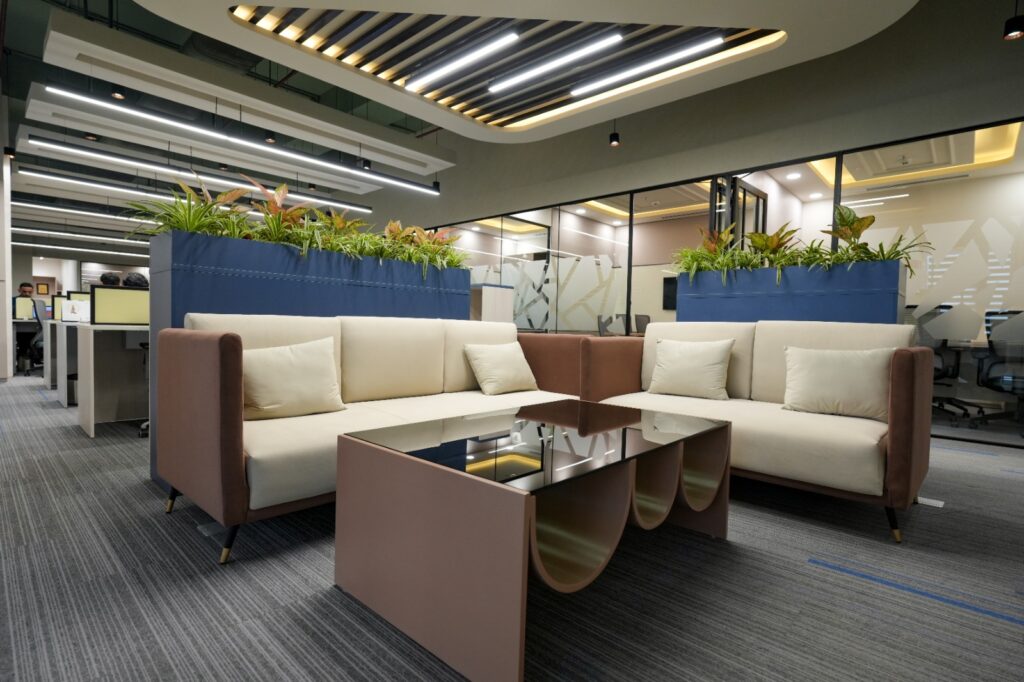
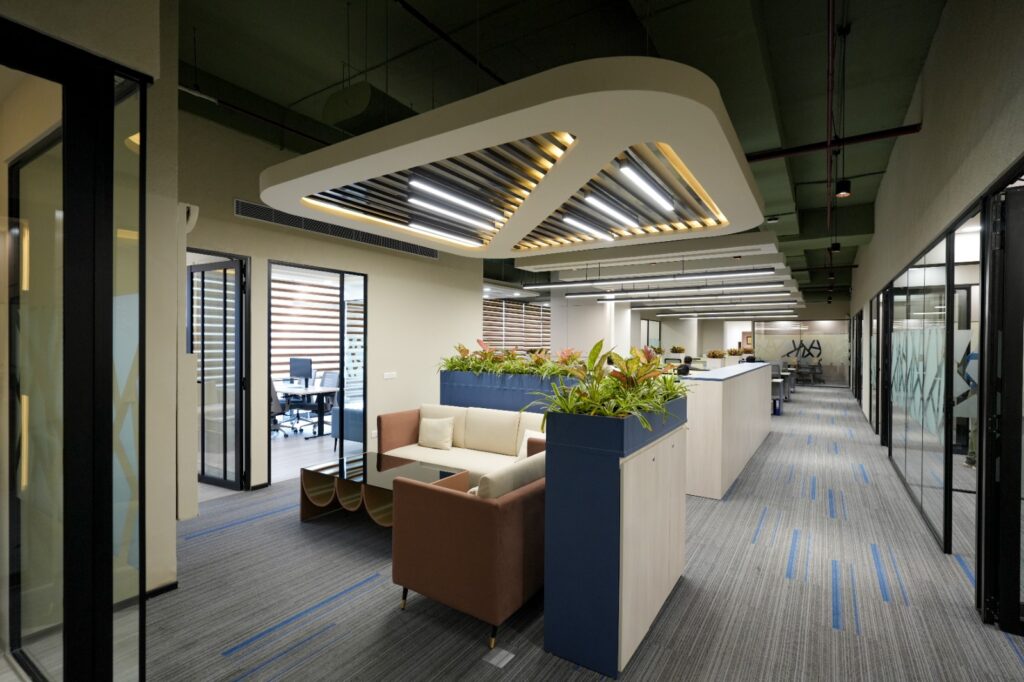
The way an office is designed and planned can have a major impact on how people work, collaborate, and feel throughout the day. A well-structured workspace not only makes daily tasks easier but also reflects the culture and values of a company. Modern businesses have realized that effective office space planning is not just about putting desks and chairs in place; it is about creating an environment where productivity, creativity, and well-being can thrive. With employees spending most of their day at work, the design of the office has become a powerful tool to shape engagement and overall performance.
Why Office Space Planning Matters
Thoughtful planning of office spaces ensures that both functionality and aesthetics are addressed. An organized layout saves time, reduces distractions, and creates a flow that allows employees to move easily from one task to another. For growing companies, it also means optimizing space to accommodate more employees without creating a cramped or uncomfortable environment. Good design also supports mental well-being, as bright lighting, ergonomic furniture, and spaces that encourage movement can reduce stress and fatigue.
At the same time, offices today are more than just workstations; they are hubs where teams collaborate, brainstorm, and innovate. Businesses that incorporate collaborative office space design ideas often find that employees become more engaged and creative when the environment encourages openness and teamwork. This approach strengthens company culture while also supporting overall performance goals.
Key Elements of Successful Office Planning
To create a workspace that balances productivity and comfort, companies need to consider various factors during the planning stage. The essentials include:
- Space Utilization – Every square foot should serve a purpose, whether it’s for individual focus, group collaboration, or relaxation zones.
- Flexibility – A good office layout should allow for easy adjustments. For example, modular furniture and movable partitions make it possible to reconfigure spaces as needs evolve.
- Ergonomics – Furniture and equipment should promote good posture and reduce physical strain, ensuring employees can work comfortably for long hours.
- Technology Integration – Modern workspaces rely on seamless tech support, such as charging points, video conferencing tools, and secure internet connections.
- Lighting and Ventilation – Natural light and proper air circulation create a healthier environment and improve employee morale.
Balancing Private and Shared Spaces
One of the biggest challenges in office planning is striking the right balance between private spaces for focused work and open areas for collaboration. While open offices encourage communication and teamwork, they can sometimes lead to noise and distractions. On the other hand, cubicles or closed rooms provide privacy but may reduce opportunities for team interaction. The best solution is often a hybrid approach that combines quiet zones with open collaboration areas. This balance ensures that employees can choose the setting that best fits the task at hand.
The Role of Culture in Office Design
Every organization has a unique culture, and the workspace should reflect it. For example, a creative agency might use vibrant colors, casual seating, and flexible layouts to inspire innovation, while a corporate law firm may prefer a more formal design with private offices and structured meeting rooms. Office design should align with the company’s identity and values, reinforcing a sense of belonging for employees and leaving a strong impression on clients who visit.
How Smart Planning Boosts Productivity
Office space planning is closely linked to productivity. A cluttered or poorly designed workspace can lead to confusion, wasted time, and frustration. In contrast, a streamlined environment with clear pathways, efficient storage, and designated areas for different tasks helps employees stay organized and focused. Breakout spaces for relaxation also play an important role, as short breaks can rejuvenate employees and improve long-term efficiency.
Future Trends in Office Space Planning
As businesses continue to adapt to hybrid and flexible working styles, office layouts are also evolving. Many companies are designing multipurpose work areas that can be used for meetings, training sessions, or social events. Wellness-focused features such as standing desks, biophilic design with plants, and meditation corners are also becoming popular. These trends show that the future of work is not only about efficiency but also about creating environments that support employee health and happiness.
Conclusion
Office space planning is more than just arranging furniture; it is about designing an environment that encourages productivity, creativity, and comfort. By considering flexibility, culture, and employee well-being, companies can create workspaces that serve both business goals and individual needs. As businesses look ahead, implementing modern practices and embracing evolving trends will be key to maintaining efficiency and engagement. With the right planning and thoughtful choices, organizations can truly optimize their work environments. Businesses that follow effective office layout tips can ensure their teams stay motivated, their spaces remain functional, and their workplaces continue to support growth well into the future.