
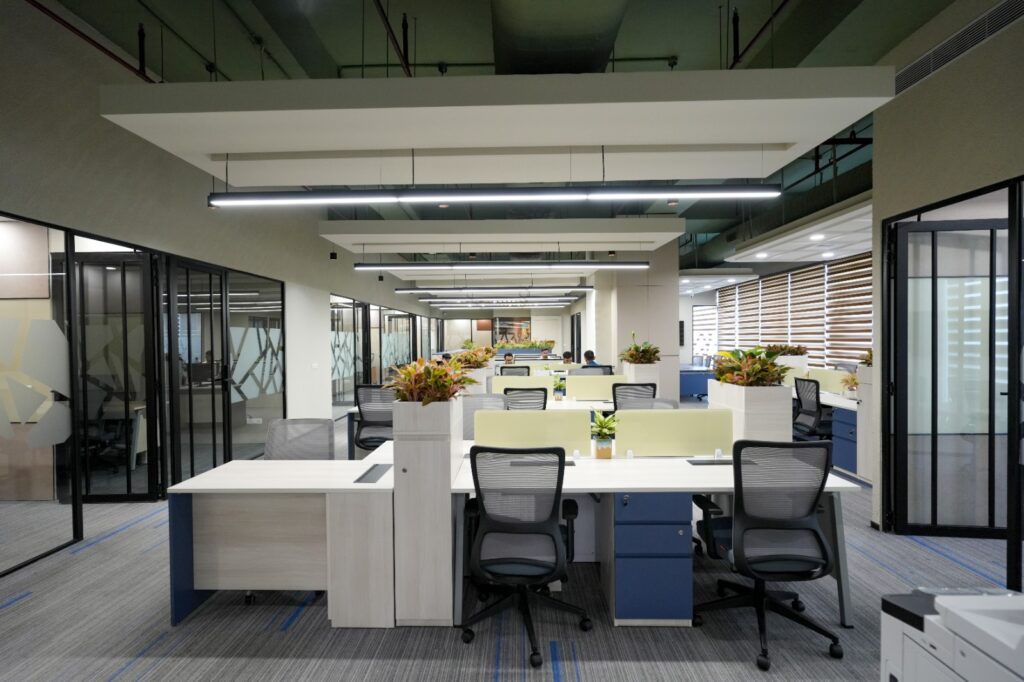
Office spaces have evolved far beyond basic functionality. Today, the workplace plays a strategic role in shaping productivity, brand perception, and long-term business performance. Professional office interior design is no longer a cosmetic upgrade; it is a measurable investment that directly influences how a business operates, grows, and competes. Companies that treat their workspace as a business asset consistently see stronger outcomes in employee engagement, client confidence, and operational efficiency.
A thoughtfully designed office reflects clarity, intention, and professionalism. It communicates who you are as a business before a single word is spoken. In competitive markets, this silent communication can be the difference between being remembered and being overlooked.
Office Design as a Strategic Business Asset
Every element within a workplace affects how people feel and perform. Layouts influence movement and collaboration, lighting impacts focus and energy levels, and material choices affect comfort and durability. When these elements are planned strategically, the office becomes a tool that supports business goals rather than a cost centre.
Professional design ensures that space is used efficiently. Poor layouts waste valuable square footage and disrupt workflow, while intelligent planning aligns departments, reduces friction, and supports both focused work and collaboration. Over time, this efficiency translates into lower operational costs and higher output per employee.
An intentionally designed office also adapts better to change. Businesses grow, teams evolve, and work models shift. Professional planning anticipates these changes, creating flexible environments that remain functional and relevant over time.
Impact on Employee Productivity and Well-Being
Employee performance is closely linked to the quality of the work environment. Uncomfortable seating, poor acoustics, and inadequate lighting contribute to fatigue, distraction, and disengagement. Professional office design addresses these issues by creating balanced, human-centric spaces.
Ergonomic furniture supports physical health, reducing strain and long-term injury risks. Natural lighting and proper ventilation improve concentration and mood. Acoustic planning minimises noise distractions, allowing teams to focus without isolation. When employees feel comfortable and supported, productivity increases naturally.
Beyond productivity, design influences morale. A well-designed office signals that the company values its people. This sense of care fosters loyalty, reduces turnover, and strengthens company culture, all of which have a direct impact on business stability and growth.
Strengthening Brand Identity and Client Perception
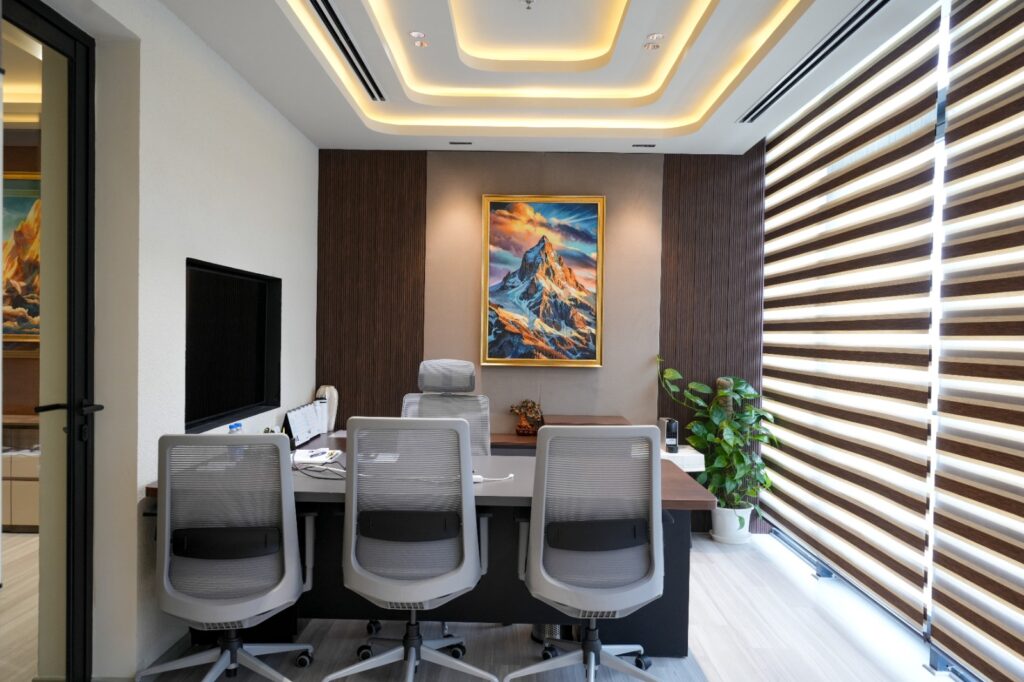
An office is a physical representation of a brand. Clients, partners, and visitors form immediate impressions based on the environment they enter. Professional office design ensures that these impressions align with your brand values and positioning.
Colours, materials, spatial flow, and visual elements all contribute to storytelling. A modern, well-organised office conveys innovation and reliability, while a cluttered or outdated space can undermine credibility. Consistent branding across physical and digital touchpoints builds trust and recognition.
Businesses that work with professional office interior designers benefit from spaces that communicate confidence and competence without excessive explanation. This silent branding strengthens client relationships and supports business development efforts.
Long-Term Cost Efficiency and Sustainability
While professional office design requires upfront investment, it delivers long-term financial benefits. Quality materials, durable finishes, and efficient layouts reduce maintenance, replacement, and renovation costs over time. Poorly planned interiors often require frequent fixes, leading to higher cumulative expenses.
Sustainable design choices further enhance value. Energy-efficient lighting, optimised HVAC systems, and eco-friendly materials lower utility costs while supporting environmental responsibility. These choices not only reduce operating expenses but also improve brand reputation among clients and employees who value sustainability.
Professional planning also minimises downtime. Renovations and reconfigurations are faster and less disruptive when the original design anticipates future needs.
Key Business Advantages of Professional Office Design
The benefits of professional office interior design extend across multiple business dimensions:
- Improved productivity through efficient layouts and ergonomic solutions
- Stronger brand perception and client confidence
- Higher employee satisfaction and retention
- Reduced long-term operational and maintenance costs
- Increased flexibility to support business growth
These advantages work together to create measurable business value rather than isolated improvements.
Supporting Collaboration and Innovation
Modern businesses thrive on collaboration and creativity. Office design plays a crucial role in enabling these behaviours. Professional designers balance open and private spaces to support different work styles and tasks.
Collaborative zones encourage idea-sharing and teamwork, while quiet areas support deep focus. Meeting rooms are designed for both in-person and virtual collaboration, ensuring seamless communication. This balance prevents the extremes of either overcrowded open offices or isolating cubicles.
When spaces support how people actually work, innovation flows more naturally, contributing to stronger problem-solving and faster decision-making.
Enhancing Business Scalability and Resilience
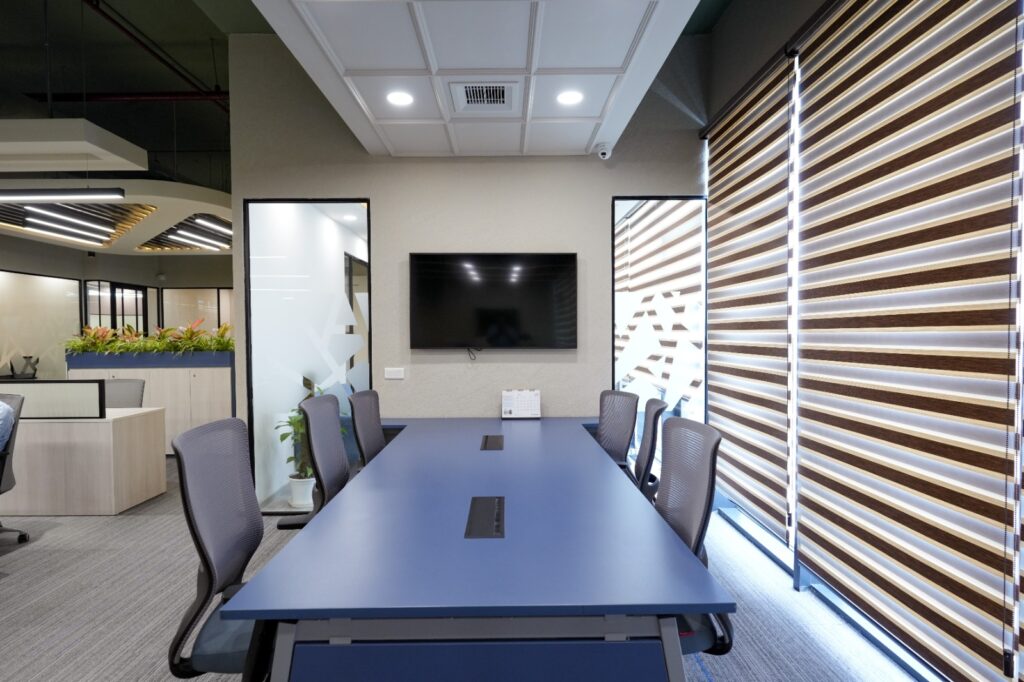
As organisations grow, their spatial needs change. Professional office design accounts for scalability, allowing spaces to evolve without major disruption. Modular layouts, adaptable furniture, and flexible infrastructure support expansion and reconfiguration.
This adaptability is especially valuable in uncertain markets. Businesses that can adjust quickly to new work models or team structures maintain momentum while others struggle with rigid environments.
A well-designed office becomes a stabilising factor during periods of change, reinforcing operational resilience.
Conclusion
Professional office interior design is a powerful driver of business value. It enhances productivity, strengthens brand identity, reduces long-term costs, and supports sustainable growth. More importantly, it aligns the physical workspace with strategic business objectives, transforming the office into a competitive advantage.
In a world where experience, efficiency, and perception matter more than ever, investing in professional office design is not an expense, it is a strategic decision that delivers lasting returns.